China HQ-9 & HQ-7 SAM

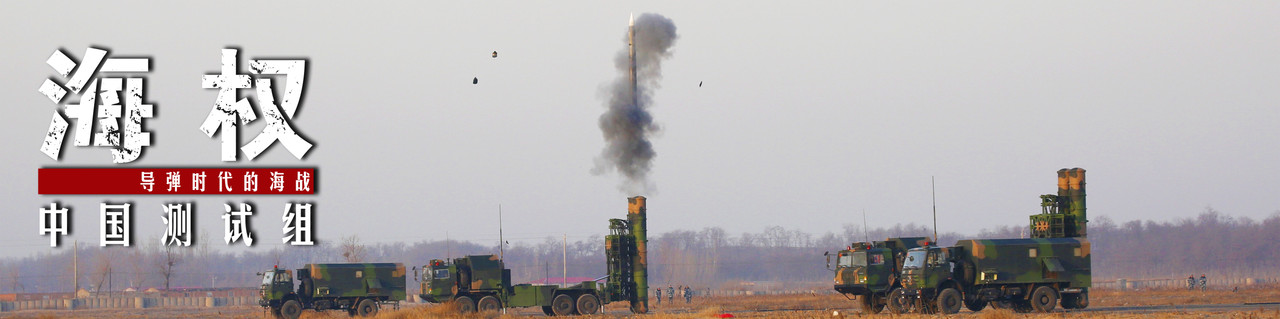

The HQ-9 is a third-generation medium- to long-range air defense missile system developed by China. It is primarily designed to intercept various aircraft, cruise missiles, and tactical ballistic missiles, and it possesses all-weather operational capabilities. Developed by the China Aerospace Science and Industry Corporation (CASIC), the system was finalized in the late 1990s and entered mass production and service in 2005, becoming a critical component of China’s air defense network.
The HQ-9 air defense missile system evolved from the HQ-5 air defense missile project of the 1970s, which aimed to create a medium- to long-range air defense system featuring large phased-array search and fire control radar, advanced radar guidance technology, and long-range, high-speed interceptor missiles. This system was intended to replace the HQ-2 (a Soviet S-75 derivative) in the People’s Liberation Army’s inventory. Due to China’s limited technological capabilities at the time, the HQ-5 project was canceled in the 1980s. The HQ-9 project inherited the research achievements of HQ-5 and completed its development in the mid-1990s. The system was adopted with limited production for testing. In 1998, China Precision Machinery Import-Export Corporation (CPMIEC) introduced the FT-2000 long-range anti-radiation air defense missile system, based on the HQ-9 project for export, marking a milestone in the HQ-9 project’s progress toward mass production.
In 1992, China reached an agreement with Russia to import the S-300PM air defense missile system, with deliveries beginning around 1995. Additional orders for the S-300PMU1 system were placed in 1994 and 2001. Drawing on the design features of the S-300 system, China made improvements to the HQ-9, including adopting a similar universal missile launch vehicle (TEL), eliminating the strakes on the missile, and incorporating thrust vectoring technology. By 2005, the HQ-9 air defense missile system was delivered in large quantities and entered service.

- Multi-Target Interception Capability: The HQ-9 can simultaneously track multiple aerial targets and engage up to six targets at the same time
- Anti-Saturation Strike Capability: The missile uses a combination of inertial guidance, mid-course radio command guidance, and terminal active radar homing (ARM), enabling rapid response and strong resistance to saturation attacks.
- Anti-Saturation Strike Capability: The missile uses a combination of inertial guidance, mid-course radio command guidance, and terminal active radar homing (ARM), enabling rapid response and strong resistance to saturation attacks.
HQ-9 TEL
HQ-9B TEL
HQ-9C TEL
HT-233 Engagement Radar
LLQ-305 Long-range Search Radar
LLQ-120 Low-altitude Surveillence Radar
HQ-7B TEL
HQ-7B Search Radar
HQ-9 SAM Site
HQ-9 SAM Site (Morden)
3D Model Source:
self-made
Need SeaLifter
Produced by Sea Power China Beta Testing Team.
Revisions:
Old revisions of this mod are available below. Click the link to download.

